Understanding Wireless CCTV Fundamentals
What is a wireless CCTV camera
Understanding wireless CCTV fundamentals is like learning a new language—the rhythm is simple, the jargon loud, but the payoff is plain security. As one SA security expert puts it, ‘If you can’t see it, you can’t secure it.’ A wireless CCTV camera cuts the spaghetti of wires, yet it depends on a reliable network. In South Africa, where many homes rely on variable signal, a good wifi camera cctv can transform a dim hallway into a secure, watchful space.
Think of the setup as a quiet triangle, and I’ve seen how it changes homes: camera, router, and cloud. The device senses light, digitizes it, and sails it across your Wi‑Fi to an app or recorder—fast, flexible, and install‑friendly. The real trick is choosing a model with strong encryption, reliable day/night performance, and solid local support!
- Placement to optimize signal
- Power options and battery life
- Privacy and encryption essentials
Benefits of wireless CCTV over wired systems
Security is more than a precaution; it’s daily peace of mind. In South Africa, where home protection is a shared priority, a wireless lens transforms a dim hall into a vigilant observer. As one SA security expert reminds me: “You can’t secure what you can’t see.”
Understanding wireless CCTV fundamentals rests on a simple triangle: camera, router, cloud. The device senses light, digitizes it, and sails it across your Wi‑Fi to an app or recorder—fast, flexible, and install‑friendly. The term wifi camera cctv sits at the crossroads of practicality and protection.
Benefits over wired systems include easier setup, adaptable placement, and scalable storage.
- Plug‑and‑play installation and flexible mounting
- Remote monitoring and instant alerts through a mobile app
- Easy expansion with cloud or network video recorder options
In SA, strong encryption, reliable day/night performance, and robust local support keep the promise of wireless security intact when signals falter.
Key features to look for in wireless CCTV
In the South African security landscape, clear sight is a quiet force. “You can’t secure what you can’t see,” a SA expert reminds us, and wireless CCTV turns every corridor into a vigilant witness. Understanding wireless fundamentals means weighing how the camera, router, and cloud dance together to deliver live vision with minimal fuss.
Key features to look for in wifi camera cctv include robust encryption, reliable day-night performance, and scalable storage options.
- End-to-end encryption and privacy controls
- Stellar night vision and true-color day mode with adjustable IR
- Smart motion analytics and configurable alerts
- Flexible storage: local microSD, network video recorder, or cloud plans
Also consider connectivity resilience and firmware support; automatic updates, chipset efficiency, and interference mitigation help.
Common installation scenarios for wireless CCTV
That truth—you can’t secure what you can’t see—shapes every choice in South Africa’s security landscape. Understanding wireless fundamentals means watching how the camera, the router, and the cloud dance together to deliver live vision with minimal fuss. A wifi camera cctv becomes a quiet, constant witness in both rural and urban spaces.
Common installation scenarios for wireless CCTV include:
- Residential driveways and gate entry on smallholdings
- Retail storefronts and service counters in townships
- Farmyards and outbuildings where wired power is scarce
Wherever it sits, the wireless link anchors the view, keeping sight steady through dust, glare, and the bustle of daily life. In South Africa, that blend of resilience and simplicity is the quiet strength of wifi camera cctv!
Choosing the Right Wireless Security Camera System
Assessing coverage needs and camera placement
One in three security gaps come from poor camera placement. That makes a smart wireless system a practical, money-saving move for any property in South Africa. A wifi camera cctv setup shines when coverage mirrors layout and traffic flow.
Begin with a simple map of entry points, stairwells, and vulnerable windows. The aim is to minimize blind spots while keeping maintenance straightforward. Elevation matters: mount high enough to deter tampering, low enough to capture usable faces. Consider South Africa’s climate and privacy rules as you plan.
- Key coverage zones across the site
- Reliable power and network paths
- Privacy, legal, and regulatory considerations
With these checks, a wireless CCTV setup stays flexible as spaces evolve and needs shift.
Selecting video resolution and frame rate
Across South Africa’s busiest streets and shopping precincts, a well-tuned wifi camera cctv system can cut response times and blur the line between vulnerability and vigilance. In audits of urban sites, properties upgrading to higher-resolution feeds and steady frame rates report incident response improvements of nearly a quarter. Resolution and frame rate aren’t luxuries; they’re the eyes that discern faces in crowds and motion at dusk.
Match the setting to bandwidth and storage realities. Start with these configurations, then adjust as traffic shifts and seasons change.
- 1080p at 30 fps for entrances and high-traffic zones
- 4 MP (or higher) at 25–30 fps for doors and stairwells
- 10–15 fps for static perimeters when bandwidth is tight
Privacy, climate, and local lighting should guide mounting and retention choices as the system scales.
Evaluating connectivity and network requirements
Urban South Africa runs on fibre, coffee, and the occasional pixelated security clip. In a city that never really sleeps, bandwidth is the invisible doorman—let too many guests in, and the show becomes a blur. ‘Connectivity is security’s backbone,’ quips a veteran integrator, and they’re not wrong: a smooth link keeps noses in frames and out of the tabloids.
Choosing the right wireless security system starts with network psychology: what’s your average and peak traffic, how resilient is your uplink, and can you segment camera traffic from staff devices? Prioritize low latency and stable jitter, and plan for future growth with robust QoS, VLANs, and a dependable failover path. Your wifi camera cctv deserves a network that doesn’t ghost it at scale.
Power options and battery life considerations
Power is the quiet conductor of any wifi camera cctv symphony. In South Africa’s fast-paced cities, load shedding isn’t a rumor—it’s a backdrop. A dependable system keeps its feed alive when the lights dip, and that starts with smart power choices that match your site’s rhythm. Your camera deserves a backbone that won’t ghost you during blackouts or outages.
Power options fall into three familiar camps:
- PoE-powered cameras that draw both data and power through a single, shielded line, simplifying cabling and reducing failure points.
- Battery-powered models with long-life cells designed for outdoor conditions and low maintenance.
- Solar-assisted configurations for remote exteriors, paired with a compact backup battery for cloudy days.
Battery life hinges on activity—motion events, night vision, and continuous streaming wear the battery differently. For a reliable wifi camera cctv experience, consider runtime expectations and potential refresh cycles, and plan for redundant power paths or an uninterrupted power supply (UPS) where available.
Indoor vs Outdoor Wireless CCTV: A Practical Guide
Durability and weather resistance ratings
Indoor or outdoor, the choice in a wireless surveillance setup is the plot of two destinies. As one security expert notes, ‘Weatherproofing is security in disguise.’ An indoor wifi camera cctv stays discreet, thrives in a controlled climate, and often blends with interior design, while outdoor models stand up to wind, sun, and rain with a sturdier resolve. Durability isn’t merely cosmetic; it translates to reliable operation under heat, cold and the occasional South African storm!
- IP rating (IP65 or IP66) for water and dust resistance
- Operating temperature range suitable for SA climates
- Sealed housing and moisture seals to prevent ingress
To gauge endurance, focus on weather resistance ratings rather than looks. In practice, the standout features are IP ratings, sealed enclosures, and a tolerance for temperature swings common in SA summers and winters. Consider the following durability essentials: These considerations help explain why a wifi camera cctv differs so much between indoor sanctuaries and outdoor outposts.
Image quality in varying light conditions
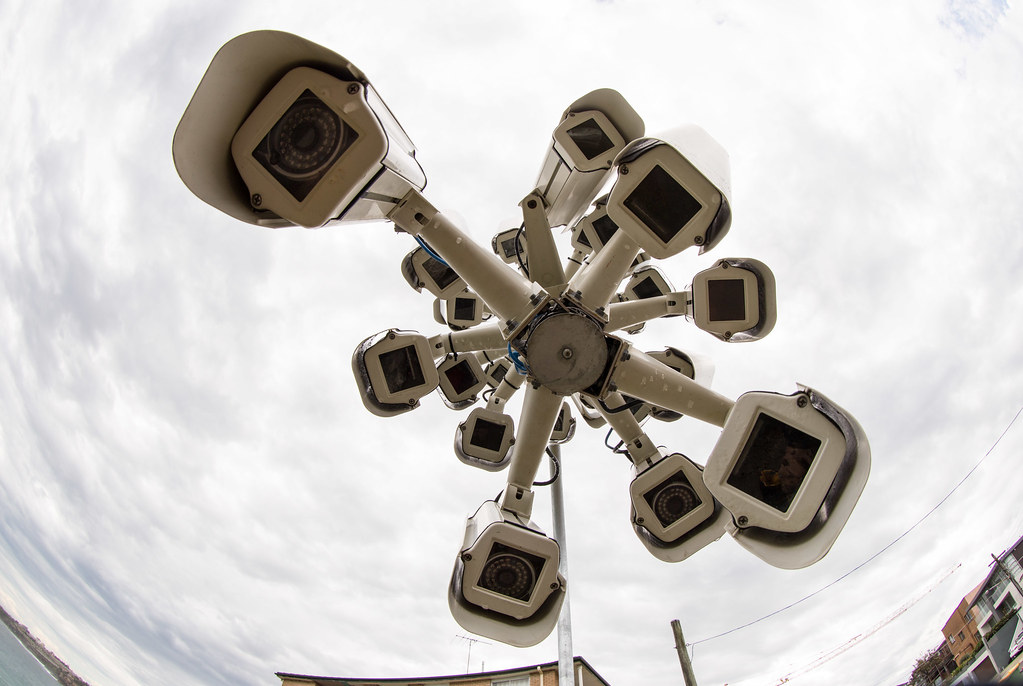
Indoor or outdoor, light is the real determinant of image quality. In South Africa’s fluctuating light—from harsh sun to dim evenings—your wifi camera cctv must handle transitions gracefully. Indoor units benefit from stable lighting and quieter scenes, while outdoor models must contend with backlight, glare, and infrared rays that can wash out detail. A good night or dusk shot feels almost cinematic when the sensor adapts quickly to changing illumination.
- Wide dynamic range (WDR) helps balance bright and shaded areas
- Infrared night vision and low-light performance
- Sensor size and lens quality for accurate color and detail
When evaluating a model for mixed light zones, prioritize how the camera transitions between day and night rather than sheer resolution. Outdoor setups demand robust IR, while indoor spots benefit from consistent color rendering. The objective is clear: images that reveal faces and license plates without guessing in shadow.
Storage options: cloud versus local
In South Africa’s shifting daylight, a wifi camera cctv that handles indoor calm and outdoor volatility is worth its weight in trust. Interiors stay bright; exteriors fight backlight and glare, but a skilled model keeps faces clear as dusk falls.
For indoor setups, lean into color fidelity; for outdoors, demand durable IR and glare resistance. The aim is steady performance, not maximal resolution.
- Indoor: stable lighting and discreet mounting
- Outdoor: weatherproof enclosure, anti-glare optics, strong IR
- Shared: robust power and reliable network
Storage options: cloud versus local turn choices into strategies. Cloud storage offers remote access for your wifi camera cctv, while local storage via NVR keeps data on-site with low latency. A hybrid setup balances both worlds.
Security and encryption when streaming video
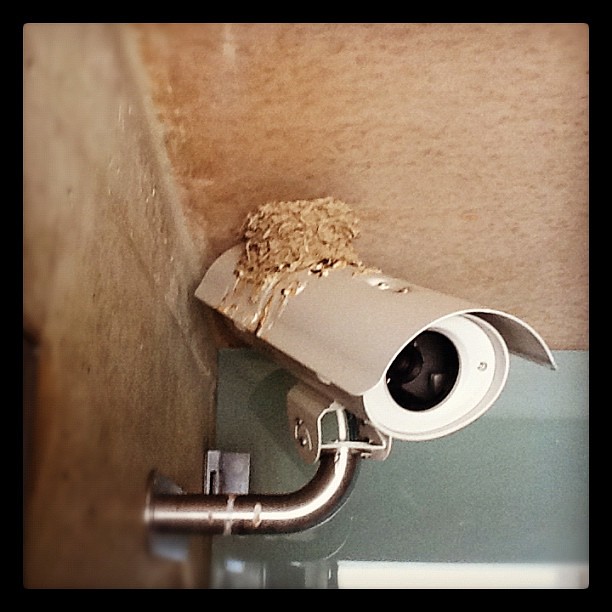
Security is not a feature; it’s a quiet warranty on trust. Across South Africa’s shifting daylight, a wifi camera cctv that handles indoor calm and outdoor volatility earns that trust. Interiors stay clear in good light; exteriors resist backlight, keeping faces legible as dusk settles.
For indoors, prioritize color fidelity and discreet mounting; for outdoors, demand weatherproof housing, anti-glare optics, and strong IR. The aim is steady performance over chasing the sharpest pixels.
- Indoor: compact, color-faithful sensors
- Outdoor: rugged housing, anti-glare optics, robust IR
- Shared: dependable power and network stability
Security and encryption when streaming video remain non-negotiable. Use TLS for transport, AES-256 for storage, and strict access controls. A hybrid cloud/local approach adds resilience when SA networks wobble.
Smart home integration and compatibility
Across South Africa’s shifting daylight, smart security earns a quiet warranty on trust: a steady feed is peace of mind you can bank on. Indoor vs Outdoor Wireless CCTV is a practical balance—one foot in the lounge, the other on the boundary. Indoors, prioritize discreet mounting and color fidelity; outdoors, demand weatherproof housing, anti-glare optics, and robust IR.
For a wifi camera cctv option, prioritize compact, color-faithful sensors indoors and rugged, weatherproof shells outdoors. The goal is dependable performance in varied light, not chasing the sharpest pixels—think clarity, not vanity, as dusk settles and streetlights flicker!
Smart home integration and compatibility matter more than gimmicks, so look for ecosystems that play nicely with your apps and routines.

- Indoor: compact, color-faithful sensors
- Outdoor: rugged housing, anti-glare optics, robust IR
- Shared: dependable power and network stability
Installation, Maintenance, and Troubleshooting
Pre-installation planning and mounting guidelines
Security is a habit, not a miracle. When you cradle a wifi camera cctv into a home or business—an installation that pays dividends—thoughtful pre-installation planning and mounting guidelines prevent blind spots and late-night surprises across South Africa’s streets.
- Coverage mapping and line-of-sight
- Privacy, local laws, and signage
- Future-proofing and scalable networking
Maintenance for these cameras is about consistency: clean lenses, firmware updates, power checks, and monitoring storage integrity, ideally on a schedule rather than a quarterly mystification.
Troubleshooting tips stay practical: verify signal strength, reboot, check encryption, and review logs for tampering signs. When things go cloudy, contact support rather than playing hero with the router.
Network setup steps and app configuration
Installation begins with a calm, methodical approach. For a wifi camera cctv, secure the mount, route power, and connect to the chosen Wi‑Fi network. In the app, label the device, set a strong password, and enable encryption. In South Africa’s urban spaces, choose a spot with clear sight lines and tidy cabling!
- Secure mounting and wiring check
- Test live view, motion, and credentials
Maintenance operates as a steady practice: wipe lenses, check firmware updates, and review storage health. Regular checks prevent drift in performance and keep footage reliable.
Troubleshooting and app configuration stay grounded: verify signal strength, perform a reboot, and confirm encryption is active. In the app, adjust motion zones and notification schedules; when issues persist, contact support rather than chasing ghosts in the logs.
Firmware updates and warranties
Installation for a wifi camera cctv unfolds like a quiet expedition. Secure the mount, route power cleanly, and connect to the chosen Wi‑Fi network. In the app, label the device, set a strong password, and enable encryption. In South Africa’s urban spaces, pick a spot with clear sight lines and tidy cabling to let the lens tell its story without distraction.
Maintenance operates as a steady practice: wipe lenses, monitor storage health, and remain attentive to firmware updates. Regular attention keeps the image sharp and the system humming with reliability.
Troubleshooting and warranties keep the narrative grounded. When disturbances appear, the focus returns to signal quality, a patient refresh, and confirming encryption remains active. For wifi camera cctv, firmware updates bolster security and stability, while warranties clarify coverage for components and service. If issues persist, support steps in rather than chasing elusive logs.
Common connectivity issues and fixes
Installation for a wifi camera cctv begins where the lens meets the edge of trust. Secure the mount, route power cleanly, and verify the device is on the chosen network. In the app, label the camera, set a strong password, and enable encryption. In South Africa, place it where sight lines stay clear.
Maintenance operates as a steady practice: wipe lenses, monitor storage health, and stay current with firmware updates. For wifi camera cctv, regular checks reduce downtime and extend lifecycle, especially in SA’s heat and dust.
Troubleshooting common connectivity issues and fixes: if the feed stalls, check signal strength, reboot the router and camera, and rejoin the network. verify that encryption is still active and that the firmware is up to date. If problems persist, contact support rather than chasing elusive logs.
