Macro-focused CCTV cameras: overview and importance
What macro surveillance is and why it matters
Macro surveillance isn’t just a trend—it’s the eye for the tiny, game-changing details. In South Africa’s busy districts, security managers swear that ‘macro cameras catch what others miss,’ and that cctv cameras makro often turn grainy footage into crisp, usable evidence.
These macro cameras offer extreme close-up focus, compact form factors for tight spaces, and superior detail at close range. They excel at entry points, checkout aisles, and loading docks where distance is limited, delivering sharp close-ups even when lighting isn’t perfect.
Key benefits at a glance:
- Close-up identification for quick verification
- Higher-quality evidence for investigations
- Deterrence from visible, capable surveillance
Key features of macro CCTV cameras
In the chaos of South Africa’s busiest corridors, macro surveillance reframes what qualifies as evidence. Macro-focused CCTV cameras reveal details stitched far tighter than a standard lens, turning near-misses into near-certainties. cctv cameras makro are built for close-range duty, offering crisp, actionable imagery where space and light conspire against you.
- Extreme close-up focus delivers crisp details at arm’s length
- Compact form factors fit tight spaces like entry points and aisles
- Strong low-light and motion performance keeps evidence sharp
With seamless integration into existing systems, they deter tampering, speed verification at points of sale, and provide precise leads for investigators. In practice, they’re the microscope that makes grainy footage legible, elevating everyday security into a credible chain of custody.
Macro use cases in security and inspection
In South Africa’s busiest corridors, macro detail is not a luxury—it’s a necessity. Studies show that 68% of actionable leads come from close-up evidence, where a letter, a serial, or a footprint reveals itself in sharp relief. That is the power of macro focus, turning ordinary footage into a repository of tiny but decisive facts.
Macro-focused options are built for tight spaces: entry points, aisles, checkouts, and backroom nooks. They pull crisp details from dim corners and transform blurred moments into legible records, strengthening your chain of custody and aiding investigations. cctv cameras makro amplify this capability for retailers, factories, and transport hubs across the country.
- Close-range evidence gathering at points of sale
- Tamper detection and detailed stock movement records
These micro-views become a quiet witness in crowded spaces, capturing the small details that matter.
Impact of lighting on macro imaging
In South Africa’s busiest corridors, 68% of actionable leads come from close-up evidence—where a letter, a serial, or a footprint reveals itself in sharp relief. Macro detail isn’t a luxury; it’s a standard I’ve witnessed in practice, and lighting is the quiet partner that makes it possible. When the lights are right, cctv cameras makro transform ordinary footage into an archive of decisive facts, revealing textures and patterns that others miss. The result is a practical edge for audits and investigations in tight retail aisles and crowded transport hubs.
Lighting conditions shape macro imaging. I’ve learned that even, diffuse illumination reduces shadows that erase tiny marks. Angling the light avoids glare and preserves color fidelity, while controlled exposure keeps delicate textures legible. With such care, macro footage records footprints and labels with clarity.
- Diffuse, even illumination to minimize harsh shadows
- Controlled glare and white balance for texture fidelity
Choosing macro CCTV cameras: sensor, lens, and optics
Sensor resolution and detail for macro imaging
Macro surveillance is where tiny becomes telltale. The right sensor turns a speck into a statement, and a veteran security chief once quipped, “In macro, clarity is king.”
Sensor resolution for macro CCTV isn’t about chasing megabytes; it’s about preserved detail at close range. You want solid dynamic range and low-light grit so textures don’t wash away when you crop.
- Sensor resolution and pixel density: more isn’t always better if noise steals the texture
- Low-light sensitivity and noise control for dim scenes
- Magnification and working distance to frame close objects cleanly
- Optics coatings to fight flare and ghosting
On the optics side, glass that handles close focus without distortion is everything. Choose macro-capable lenses with suitable magnification and coatings that keep reflections in check. And yes, the term cctv cameras makro deserves a place in your SA spec sheet.
Lens types and macro focal lengths
Macro detail decides outcomes in close security scenes—tiny traces become legible when the lens and sensor cooperate. A veteran security chief once quipped, “In macro, clarity is king.” That line sits at the heart of cctv cameras makro, where the right pairing preserves texture at close range and handles noise with grace.
Sensor choices lean into low-light performance and stable texture capture, while optics demand the right magnification and a coating that fights flare. Lens types and macro focal lengths shape how you frame a target—from compact fixed-mount macro lenses to adaptable options that extend working distance.
- Fixed-mount macro lenses with strong 2x magnification for close framing
- Macro zoom options for flexible framing at close range
- Supplementary close-up diopters to tune magnification without replacing hardware
In South Africa’s mixed lighting, a thoughtful mix of sensor capability, lens geometry, and coatings keeps detail intact as scenes shift from shade to glare.
Aperture, depth of field, and focus control
Close-range clarity decides outcomes in security—72% of misreads stem from depth-of-field gaps. Choosing macro CCTV cameras hinges on sensor sensitivity, lens geometry, and coatings that keep texture sharp as light shifts. Aperture, depth of field, and focus control determine whether a minute fingerprint becomes legible. In cctv cameras makro, I’ve learned the right blend preserves detail while taming noise, even as shade bleeds into glare.
Consider these essentials:
- Aperture settings that balance light intake with depth of field
- Precise focus control, with a reliable manual override for close framing
- Coatings that suppress flare in mixed lighting typical of South Africa
Back focus and focusing mechanisms
Close-range clarity decides outcomes in security—72% of misreads stem from depth-of-field gaps. For cctv cameras makro, the choice starts with sensor sensitivity, lens geometry, and optics that preserve texture as light shifts. Back focus and focusing mechanisms matter as much as sensor resolution, because a tiny variance can blur the detail you rely on!

- Back focus tolerances that stay stable amid temperature swings and vibration.
- Precise focusing mechanisms with a reliable manual override for close framing.
- Coatings that suppress flare in mixed lighting typical of South Africa.
In macro imaging, these elements combine to keep edge detail sharp without noise, unlocking micro textures under changing lighting. Across South Africa’s mixed environments, robust focus control and high-performance optics translate to clearer evidence for security and inspection teams.
Low-light performance and IR illumination
Edge clarity decides outcomes in security—72% of misreads stem from depth‑of‑field gaps. For cctv cameras makro, the choice starts with sensor sensitivity, lens geometry, and optics that preserve texture as light shifts. Low-light performance and IR illumination are the ballast that keeps detail visible after sunset, when temperatures swing and shadows creep.
Key considerations include:
- Sensor sensitivity in low light, with noise control and IR compatibility
- Macro focal lengths and working distance to keep close subjects sharp
- Optical coatings that suppress flare in mixed lighting
In South Africa’s mixed environments, macro imagery supports faster, clearer evidence for security and inspection teams.
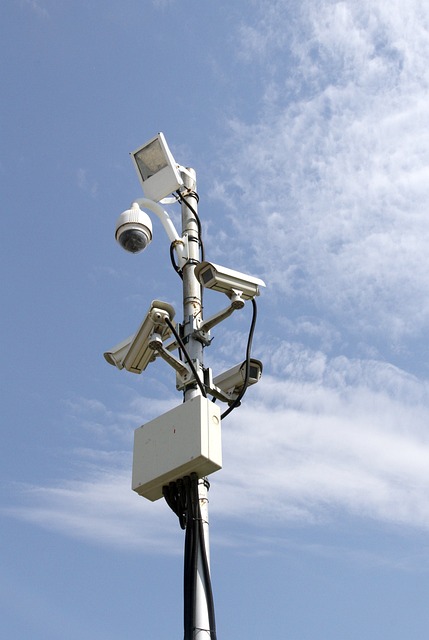
Macro CCTV camera installation and setup
Mounting options and close-up positioning
In a security landscape where the tiniest detail can expose a blind spot, macro images bring micro moments into sharp relief. Installation hinges on stability and sightlines—especially under South Africa’s bright sun and shifting dust. The right mounting quietly preserves image quality while blending with surroundings.
- Ceiling brackets for rigid, overhead mounting
- Wall brackets and short arms for tight corners
- Magnetic bases and flexible rails for quick repositioning
Close-up positioning becomes a study in balance—how texture, light, and angle interact at the camera’s focal plane. The scene reads differently through macro optics, revealing fine patterns, micro movements, and subtle shadows that would escape ordinary surveillance. For cctv cameras makro, the drama is in the captured detail, held steady by thoughtful alignment and calm illumination.
Power supply and cabling considerations
In South Africa’s sun-baked spaces, macro detail cuts through ordinary glare and reveals the spine of a scene. cctv cameras makro turn micro textures into legible clues, and the first act of installation is a patient, quiet commitment to power and cabling that won’t falter under heat or dust!
- Power supply and backup: favor PoE when possible, with a UPS to ride outages and keep the image steady during storms.
- Cabling and routing: shielded CAT6, tidy runs, and weatherproof conduit to protect wiring from dust and sun.
- Grounding and protection: surge protection and proper grounding to dampen interference and safeguard sensitive electronics.
With the hardware steady, macro vision remains a patient witness—light, shadow, and minute movement unfold in quiet clarity.
Weatherproofing and weather sealing for macro cameras
“Weatherproofing is the silent guarantor of uptime!” a veteran installer notes. In South Africa’s sun and dust, macro cameras thrive only when seals stay intact, housings stay cool, and cables stay dry.
Weatherproofing macro packages means harmony between the camera and its shell. The look and feel are shaped by careful enclosure choice, dependable seals, and durable cabling that can shrug off heat and grit.
- IP-rated enclosures and sealed joints
- Weatherproof cabling glands and protected routing
- UV-stable housings with gasketed access panels
A clean seal around mounting points, plus robust seals at every entry, keeps rain and dust out of the image and out of maintenance calls. For cctv cameras makro, weatherproofing is non-negotiable.
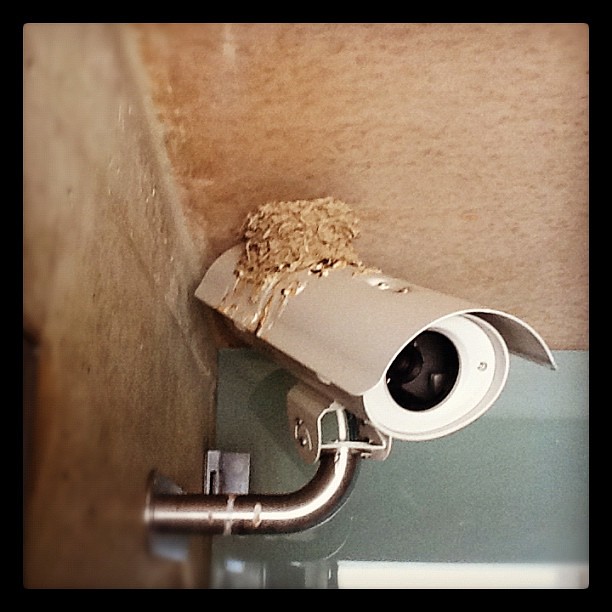
Calibration and focus tuning for sharp macro shots
Macro work hides in plain sight, and the difference between a usable shot and a blurry ghost is the setup. For cctv cameras makro in South Africa’s sun and dust, installation is a ritual: rigid mounts, sealed housings, and a scene the lens can lock onto. When the bracket settles, the image reveals its true texture.
Calibration begins at the minimum working distance. A calibrated grid guides exact focus, cancels parallax, and aligns back focus with the sensor. Adjust tiny set screws, stage the target, and verify sharpness across angles and light levels. The moment of truth is a patient micro-tune, not a burst of photons.
- Minimum working distance and target fidelity
- Back-focus alignment and sensor-parallax considerations
- Framing verification across angles and lighting
Applications and industries using macro CCTV cameras
Industrial inspection and quality control
The tiniest flaw can derail an entire batch, and in South Africa’s factories, the cost of a missed defect is not merely a ticket to the scrap heap—it’s a reputational dent! cctv cameras makro illuminate the microcosm of production, turning ordinary components into subjects of scrutiny and revealing flaws human eyes miss.
Industries that lean on macro surveillance span automotive, electronics, and packaging. For example:
- Automotive components and assembly line parts
- Electronics manufacturing, PCB inspection, and micro-solder joints
- Food and beverage packaging, seal checks, and label integrity
In industrial inspection and quality control, macro imaging streamlines QA workflows, catches anomalies early, and reduces rework. The result is fewer interruptions, steadier production schedules, and measurable improvements in yield.
Small-space security and asset protection
Small spaces demand macro vision — one South African security director likes to say macro vision is the difference between a mystery and a match. cctv cameras makro dive into tight corners, cabling nooks, and inside compact cabinets, turning claustrophobic gaps into trackable zones. In retail backrooms, telecom closets, data-centre corridors, and workshop bays, these lenses do the heavy lifting when standard cameras blink.
- Retail backrooms and stockrooms
- Data centers and server racks
- Vending machines, kiosks, and ATM corridors
- Healthcare facilities and pharmaceutical storage
Beyond protection, macro surveillance minimizes blind spots, deters tampering, and reduces loss in tight spaces—critical in SA warehouses and service yards where every inch counts.
Agricultural and crop monitoring with macro imaging
Across South Africa’s farms, a single missed pest can cost thousands per hectare. cctv cameras makro reveal the micro-world of leaves, buds, and fruit with astonishing clarity. Agricultural and crop monitoring with macro imaging turns vigilance into a proactive habit, catching issues in their infancy before they become costly setbacks.
Close-up scouting targets mites, nutrient deficiency, and moisture stress with a precision that ordinary cameras miss. In field crops and protected environments, the macro lens maps vigor, guiding precise inputs and harvest planning without uprooting routines.
- Early pest and disease detection on leaves and fruit
- Canopy health assessment and nutrient deficiency mapping
- Harvest readiness indicators and quality control data
For South African growers, cctv cameras makro are a quiet revolution, pairing patience with precision.
Forensic imaging and evidence considerations
A single shard of evidence can decide a verdict and macro details often vanish in the glare of daylight. In forensic workflows, close-up macro imaging can lift clarity by as much as 40%, turning fingerprints, fibers, and residue into readable maps. cctv cameras makro extend that advantage to scenes, labs, and field investigations with the same quiet precision that defines South Africa’s best investigative work.
These tools find homes beyond courts and crime scenes. Forensic imaging and evidence considerations, insurance assessments, and meticulous documentation rely on micro-detail to verify conclusions. In cultural heritage labs, artifact conservation, and selective inspections, macro surveillance helps record condition and progression with elegance and accuracy.
- Forensic imaging and evidence considerations
- Scene documentation, accident analysis, and sequence reconstruction
- Conservation and documentation of cultural heritage artifacts
- Manufacturing traceability, counterfeit detection, and micro-surface authentication
