Understanding Solar-Powered CCTV Systems
What is a solar-powered CCTV system?
Core components: solar panel, battery, and camera module
Under the sun’s patient glare, the heart of a solar cctv camera system beats in three linked chambers: the solar panel, the battery, and the camera module. The panel harvests photons; the battery stores their quiet energy; the camera module watches the world with unwavering poise from dawn to darkness, a sentinel over quiet streets and fenced compounds alike.
- Solar panel: harvests daylight and feeds the system.
- Battery: stores energy for continuous operation, even when clouds loom.
- Camera module: delivers visibility with dependable resolution and night vision.
In South Africa’s bright climates and shadowed neighborhoods, this trio defines resilience and uptime! When one link falters, the others shoulder the night, ensuring a silent, watchful vigil over property and people.
How it operates in remote or off-grid areas
South Africa’s remote sites stay under watch, powered by sun and ingenuity. A solar cctv camera turns daylight into steady surveillance, guarding homes, farms, and workyards when mains power is scarce. It watches with quiet determination from sunrise to late night, a lone sentinel that never tires.
In off-grid settings, operation relies on three simple truths: capture energy in clear weather, store enough for the night, and manage the feed to the camera module so footage stays clear. The system adapts to weather swings—sunny stretches fuel longer uptime; clouds and rain call for stored reserves and efficient streaming.
- Sun exposure and robust housing for wind and dust
- Battery sizing to cover nights and intermittent cloud cover
- Connectivity options for alerts when cellular networks are sparse
That resilience is what makes this solar cctv camera setup essential for remote South African locations.
Benefits and ROI of Solar Surveillance Cameras
Cost savings over time and return on investment
Sun-powered security pays for itself faster than many expect. In South Africa, a well-timed solar cctv camera installation can trim energy outlays and deliver a payback in as little as three to four years.
Beyond the financial math for a solar cctv camera, the true ROI accrues as grid dependence fades: no monthly electricity bill, fewer maintenance trips to remote sites, and resilience during load shedding that protects assets and discourages opportunistic crime.
- Near-zero operating costs thanks to daylight power
- Reduced site visits and maintenance expenses
- Flexible placement on remote or rural properties
- Consistent uptime improving deterrence and safety
Over time, total cost of ownership declines as battery cycles and panel longevity stretch over many years, and insurers and property owners recognise the value of steady surveillance in a modern landscape.
Reliability during power outages and harsh conditions
Power is a security layer that never sleeps, especially when the grid falters. In South Africa, where load shedding is part of the weather forecast, a solar cctv camera keeps watch when others fail. Daylight power means near-zero operating costs and uninterrupted vigilance, even on stormy nights. Reliability isn’t a gimmick—it’s the ROI you can actually see in the dashboard.
- Very low daily operating costs thanks to daylight power
- Fewer trips for maintenance and site checks
- Flexible mounting on remote or rural sites
- Steady uptime that strengthens deterrence and safety
Over time, the total cost of ownership drifts downward as batteries cycle gracefully and panels outlive many a mortgage. Insurers and property managers recognise the security premium that steady surveillance delivers, especially when the power grid plays both saviour and saboteur. It’s more than eco-friendly tech; it’s a weatherproof ally in a modern security playbook.
Environmental impact and energy efficiency
Security that never sleeps should be more than a slogan. In many South African communities, outages aren’t if, but when, and that’s exactly where I’ve seen smart solar solutions earn their keep. They blend vigilance with energy mindfulness, turning daylight into a steadfast watch for property and people.
- Minimal daily power bills powered by daylight
- Fewer on-site trips thanks to durable design and remote checks
- Versatile mounting for remote farms and outposts
- Consistent uptime that bolsters deterrence and safety
Environmentally, the footprint shrinks as clean solar replaces grid draws. Longer battery life and durable panels cut waste, while silent operation reduces maintenance visits and pollution. A solar cctv camera is more than eco-friendly tech—it’s a quiet, resilient partner in a community learning to balance risk and renewal.
Scalability for expanding sites
Outages are a given in many parts of South Africa, and the best security solution leans into that reality. A solar cctv camera scales from a single gate to a network across farms, campuses, or remote communities, delivering a reliable watch without a wheezing generator in sight. The ROI isn’t just saved electricity; it’s a blueprint for growth that respects budgets and risk alike.
Scalability unlocks several concrete advantages as you expand sites:
- Modular units that snap together as you grow
- Remote diagnostics reduce on-site visits
- Unified management lets you supervise multiple sites from one dashboard
- Lower incremental capex per camera when deployed in phases
As sites scale, the long-term savings compound, and maintenance cycles stretch further on a well-designed system. For operators eyeing expansion into new postcodes, the solar cctv camera becomes a durable backbone, delivering steady uptime and a clearer return on investment. In this quiet vigilance, growth and responsibility meet, and risk is measured—not erased, but managed with grace.
Choosing the Right Solar CCTV Setup
Site assessment: location, sun exposure, and shading
Sunlight is the oldest security ally, and in South Africa that ally is generous. A thoughtfully chosen solar cctv camera setup begins where the light falls most eagerly and your camera listens without fail.
Site assessment centers on three simple truths: location, sun exposure, and shading. To guide the eye, consider these factors:
- Location: rooftop, fence line, or ground mount, with clear lines of sight and easy cable routing.
- Sun exposure: maximize hours of direct sun across seasons; a slight tilt often wins where the day length shifts.
- Shading: avoid branches or walls that drift into frame; even small shadows can curb performance.
These factors guide placement and ensure reliability. With South African weather in mind, align the system for prevailing sun paths and wind loads, keeping the camera accessible for routine checks.
Battery capacity and charging cycles
Battery capacity is the silent fulcrum of a solar cctv camera. In South Africa’s sun-drenched days, your choice determines whether the camera sips power or drinks deeply after dusk. With the right capacity, a single sun-drenched day becomes a shield through the night.
To size for reliability, weigh battery chemistry against duty cycles and climate.
- Depth of discharge and usable capacity
- Cycle life and warranty context
- Temperature tolerance and charging efficiency
In the South African environment, pairing a capable battery with an intelligently sized solar array keeps the system vigilant when storms roll in. The conversation shifts from raw power to endurance, as charging cycles meet the rhythm of daily sun and seasonal variation.
Camera features to prioritize: night vision, motion alerts, and analytics
<p Night holds a cruel census: outages cast regions into a silence where shadows devour detail. In South Africa, a solar cctv camera can stand guard through dusk and storm-tossed hours, provided the setup respects the rhythm of sun and night. Night vision, motion alerts, and analytics are treated as a single vow—steadfast prayers whispered to the dark!
<p Prioritize these features:
- Night vision that remains clear at distance, through rain, dust, and fading light
- Motion alerts that distinguish meaningful activity from the murmur of the night
- Analytics that translate footage into actionable insights rather than a blur of data
<p In practice, the right mix of lens, sensor, and processing power keeps watch when storms roll in, turning sunlight into steady vigilance rather than a weakening beacon.
Connectivity options: LTE, Wi-Fi, and offline storage
Security that never rests, powered by the sun, is a South African reality. The right solar cctv camera setup hinges on connectivity that matches the site’s heartbeat. Real-world deployments in rural towns show steady monitoring even during outages when the network is dependable.
- LTE — broad coverage where cables vanish; SIM-enabled for plug-and-play reliability.
- Wi-Fi — high bandwidth where on-site networks exist, with easy management.
- Offline storage — SD cards or onboard NVR for independent operation when networks fade.
Choose based on coverage, bandwidth, and resilience. LTE thrives where lines vanish; Wi-Fi suits campuses and homesteads with stable networks; offline storage guards footage when networks stumble. Together, these options minimize maintenance calls and keep surveillance active through load shedding and adverse weather. For many sites, a solar cctv camera remains the edge of reliable security.
Weatherproofing and durability ratings for outdoor use
Storm-season in South Africa demands more than a watchful eye—it requires a sentinel that can stand weather and time. “Weatherproofing isn’t glamorous, but it’s the difference between footage that lasts and footage that leaks away,” says a seasoned SA installer. Weatherproofing and durability ratings define the grit of a solar cctv camera against sun, dust, and gusts, keeping surveillance steady through heatwaves and downpours.
Size up an outdoor unit with an IP66+ rating and a wide operating range. Seek UV-stable housings, corrosion-proof finishes, and robust seals at every entry point to stop intrusion.
- IP66 or higher ingress protection
- Wide operating temperature range
- UV-stable housing with anti-corrosion finish
- Sealed cable glands and robust connectors
Installation, Maintenance, and Troubleshooting
Site survey and mounting considerations
Installation of a solar cctv camera hinges on site sense and sturdy hardware. Secure mounts, aim for a clear field of view, and select weatherproof housing that withstands South Africa’s sun and storms.
- Structure strength and load limits
- Sun path and tilt for optimal energy and image quality
- Cable routing and protection from dust and animals
- Anti-tamper and vandal-resistance features
Maintenance for a solar cctv camera is all about clarity and reliability. Clean the lens and panel, check seals, and watch for dust build-up. Regular checks keep performance steady.
Troubleshooting starts with a fresh site survey—shade shifts, wind changes, or nearby growth can alter results. For mounting, ensure plumb, corrosion-resistant supports and accessible seals; if issues appear, re-evaluate sun exposure and stability. For a solar cctv camera, these checks matter.
- Loose fittings
- Water ingress in the housing
- Sun-angle drift affecting energy capture
- Damaged cables
Wiring, sealants, and waterproofing practices
Sunlight never sleeps in South Africa, and neither does the gaze of a solar cctv camera. Installation requires a measured balance of tilt and trust—secure mounts, robust hardware, and a clear field of view endure the sun and storms. Weatherproof housing guards lens and power, turning light into vigilance.
Maintenance for a solar cctv camera is a ritual of clarity. Observing lenses and seals, guarding against dust on the panel, preserves steady performance in heat and glare and ensures reliability when it matters most.
Troubleshooting begins with a fresh site perspective; shade drift, wind shifts, or growth can alter the sun’s gift. For wiring and seals, seek dry, corrosion‑resistant paths, and durable sealants that resist dust and rain. The following can surface:
- Loose fittings
- Water ingress in the housing
- Sun-angle drift affecting energy capture
- Damaged cables
Waterproofing practices preserve the solar cctv camera’s vigil under stormy skies and bright noonday heat.
Routine maintenance and cleaning schedules
Sunlight is relentless in South Africa, and a solar cctv camera must outlive it with quiet precision. A well-timed installation sets the stage for enduring vigilance, but it is routine maintenance that keeps the watch steady: clean lenses, clear housings, and consistent power flow. This is where cadence becomes craft.
Our maintenance rhythm prioritises clarity and uptime. Routine care includes a weekly wipe of lenses, a monthly dusting of the panel, and a quarterly inspection of seals and connectors. We align cleaning with dry, cool periods to protect components and maximise light capture.
- Weekly micro-clean of optics and enclosure to prevent glare and heat buildup
- Monthly dust-removal and debris clearance from the panel surface
- Quarterly integrity checks on seals and cabling connections
When performance wavers, we reset perspective: recheck mounting, verify shade-free exposure, and test power paths with a spare lead. A cautious, methodical approach uncovers issues before they escalate.
Common issues and troubleshooting steps
Installing a solar cctv camera in South Africa demands precision: align for peak sun, mount securely against wind, and route cables to protect weather seals.
Maintenance keeps the watch steady. I’ve learned that regular optics care, panel cleanliness, and connector checks shield performance from grime and drift.
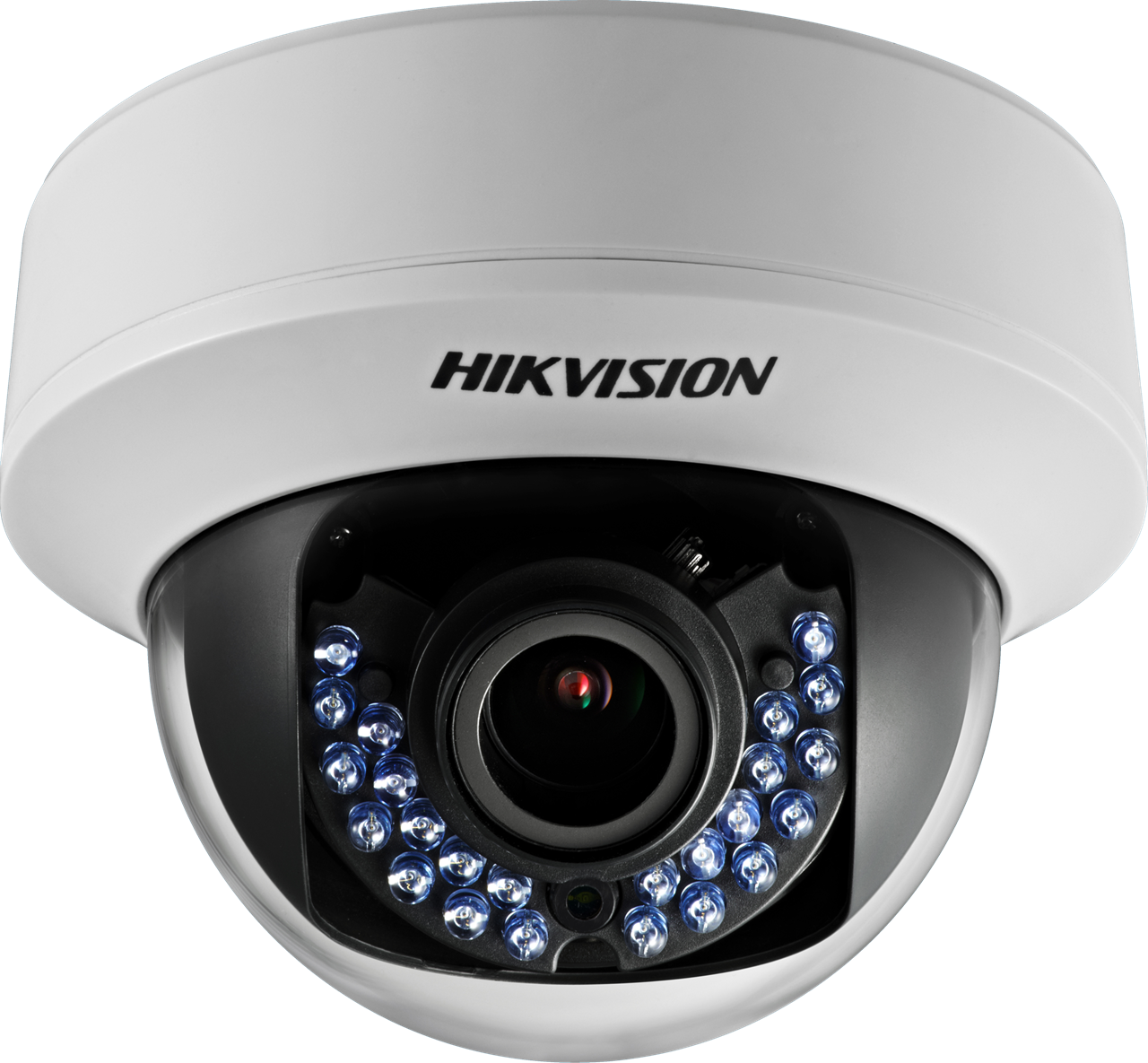
When the cctv camera falters, approach calmly: recheck mounting, confirm shade-free exposure, and test power paths with a spare lead. If problems persist, scan logs for anomalies and verify firmware updates.
