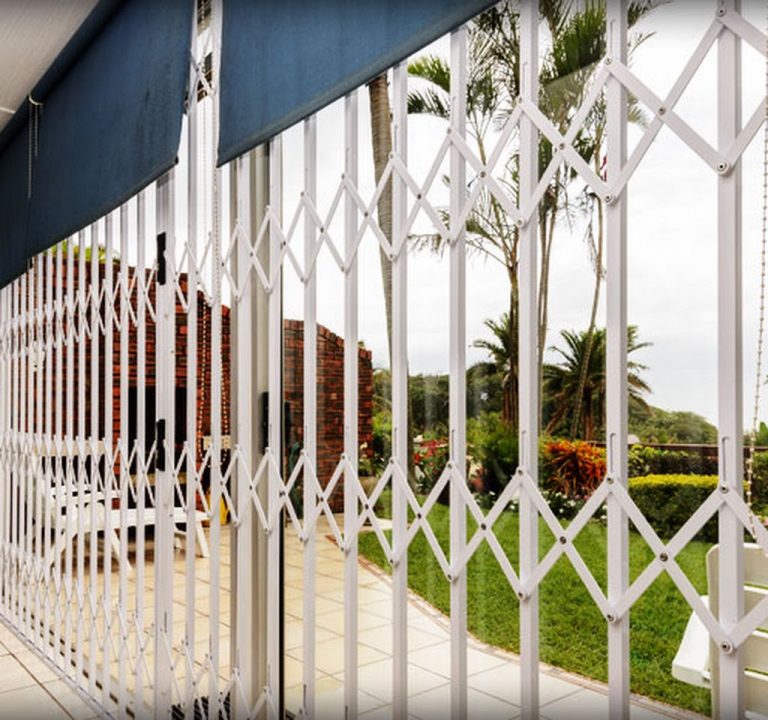
Ultradoor Expandable Security Barriers is a Security service establishment in Cape Town, Western Cape, South Africa
Cape Town
Western Cape
Montague Gardens, Cape Town
South Africa


Security Services in Cape Town: A Practical Overview
Security service provisions in Cape Town, Western Cape, South Africa, cover a broad spectrum of offerings designed to protect commercial premises, residential estates, and public areas. Across the city and its surrounding suburbs, clients frequently seek a combination of on‑site presence, technological support, and rapid response to incidents. The range of services commonly available reflects the local urban layout, coastal risks, and the diverse needs of business districts, tourist zones, and residential communities.
Typical security services in this region include manned guarding, mobile patrols, access control, surveillance, and specialised risk management. Manned guarding involves trained personnel stationed at entrances, gatehouses, and perimeters to deter unauthorised access, monitor activity, and provide a visible security presence. Mobile patrols supplement fixed posts by conducting randomised checks of sites, responding to alarms, and patrolling high‑risk corridors such as coastal routes, business parks, and shopping precincts. Access control services help manage entry to facilities, including visitor management, credential verification, and the maintenance of robust entry systems for both staff and vendors.
Surveillance systems form a core component of security offerings in Cape Town. CCTV installation and monitoring are commonly paired with electronic alarm systems to create layered protection. Clients often rely on remote monitoring centres to receive real‑time alerts, enabling swift escalation and, where appropriate, coordination with local authorities. While the specifics of monitoring technology may vary, the underlying aim remains consistent: to provide timely information that supports informed decision‑making and rapid response.
In commercial settings, security programmes frequently extend to risk assessment, incident reporting, and security governance. Specialists may perform site surveys to identify vulnerabilities such as access points, lighting at night, and blind spots. From there, recommendations typically address physical enhancements, procedural changes, and staff training. For residential estates and gated communities, security planning tends to emphasise perimeter integrity, intrusion detection, and community incident awareness, often complemented by on‑site patrols during peak activity periods and quieter night hours.
Security services in Cape Town also address niche requirements driven by environment and demographics. For example, hotel and tourism sectors may emphasise guest safety, event security, and traffic management during busy periods, while industrial sites focus on protection of assets, fleets, and hazardous materials. Coastal properties might prioritise high‑visibility patrols, lighting upgrades, and emergency response planning for extreme weather or flooding events. Regardless of sector, the emphasis remains on reliability, discretion, and a clear chain of command when incidents occur.
Customers can expect a structured approach to engagement. Initial consultations typically involve a survey of premises, a discussion of risk appetite, and the alignment of security objectives with operational needs. Implementations commonly span two phases: a design and installation phase for equipment and access systems, followed by an ongoing management phase that encompasses staffing, maintenance, and performance reviews. Clear reporting channels and defined response times help establish accountability and foster trust between clients and security providers.
- On‑site guarding and reception services
- Mobile patrols and rapid response
- Access control and visitor management
- Surveillance installation and monitoring
- Incident reporting, risk assessment, and security planning
- Neighbourhood or estate security programmes
Practical considerations for engaging security services in Cape Town include understanding the regulatory environment, ensuring licensed personnel, and agreeing on service levels that reflect local conditions, such as high‑footfall districts and seasonal tourism flows. Contracts are most effective when they clearly define responsibilities, escalation procedures, and coordination with local authorities. In all instances, the objective is to deliver comprehensive protection that supports business continuity, enhances stakeholder confidence, and contributes to safer, well‑managed communities across Cape Town and the Western Cape.
Sorry, no records were found. Please adjust your search criteria and try again.
Sorry, unable to load the Maps API.