CCTV Technologies is a Security system supplier establishment in Cape Town, Western Cape, South Africa
CCTV Technologies: Independent Security Monitoring and Installation Specialist in Cape Town
In the Western Cape, CCTV Technologies presents itself as a specialised security system supplier delivering end-to-end solutions for commercial properties, residential estates, healthcare facilities and private residences. The company emphasises intelligent surveillance, off-site monitoring, and AI-powered video analytics designed to deter intruders, reduce risk, and safeguard people and assets. The service offering is framed around a combination of installation expertise, proactive monitoring, and ongoing optimisation of security systems.
Key services centre on three core pillars: CCTV installation, remote monitoring, and access control. CCTV installation covers a wide range of settings—from residential houses and gated communities to office buildings, industrial parks and healthcare facilities. The installation approach is described as meticulous and consultative, featuring a full-site risk assessment, strategic planning of camera placement, and a clearly defined installation action plan. The emphasis on professional installation is paired with the integration of high-tech video analytics to enable smarter surveillance capabilities.
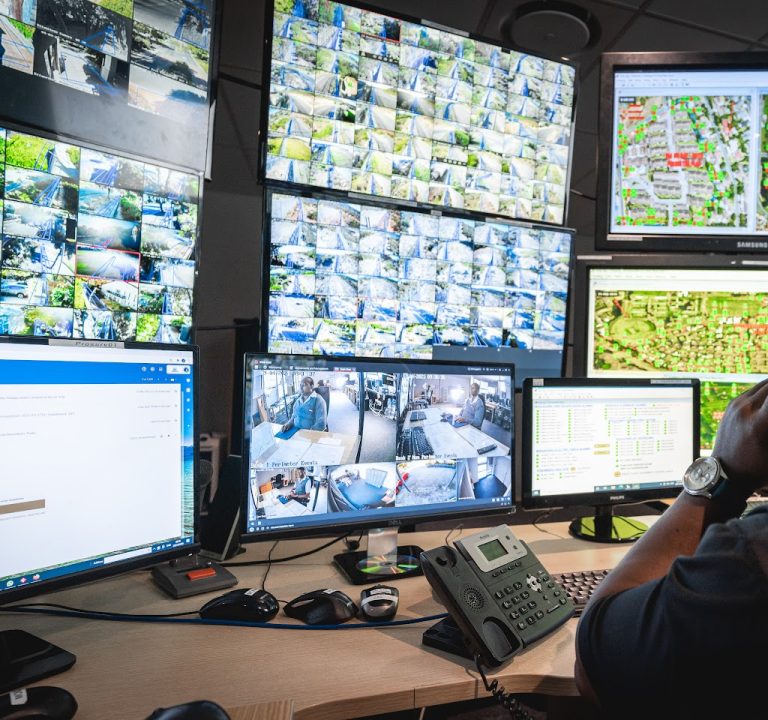
Remote monitoring is central to the offering. CCTV Technologies operates an independent control room that delivers 24/7 off-site monitoring, supported by state-of-the-art AI analytics. The monitoring model is designed to provide proactive intervention, including the coordination of appropriate authorities when necessary. The company highlights its “Double-Knock” system, which combines existing on-site electric fencing with remote monitoring to improve detection accuracy while potentially reducing on-site security manpower and costs. The monitoring service is positioned as an ongoing value proposition, with continuous upgrades and flexible maintenance plans, including rent-to-own options where applicable.
Access control is another major facet of the business. Solutions include biometric systems, ANPR (automatic number-plate recognition) and facial recognition, all aimed at delivering tailored, secure and flexible access options for residents and staff. The integration of access control with video analytics is highlighted as a way to achieve total visibility and control over premises, reinforcing the company’s stance on future-ready security infrastructure.
Staff management features appear as a distinctive component of the offering. By leveraging CCTV for staff monitoring, clients can improve operational efficiency, reduce theft and losses, and enhance staff safety. This capability is positioned as complementary to broader surveillance and access control systems, providing a holistic approach to safeguarding both people and property.
In addition to technical installation and monitoring, the firm underscores risk management and incident reporting. Ongoing risk assessment helps identify vulnerabilities and informs tailored security strategies, while an incident reporting solution assists clients in staying ahead of security threats and documenting events for review and regulatory compliance. The firm also notes collaboration with community partners and local authorities through neighbourhood watches, Community Police Forums and Improvement Districts, underscoring a community-minded approach to crime prevention.
The company claims substantial operating scale, with thousands of cameras monitored and many estates, apartments, and businesses secured. The extensive client base is presented to illustrate experience across diverse environments, including houses, apartments, office buildings, gated communities, healthcare centres, and factories. Public-facing client testimonials and Google reviews referenced on the site convey positive impressions of service reliability, responsive problem-solving, and timely provision of footage when needed.
Operational hours and specific visitability are not disclosed in detail on the provided pages. However, the company’s emphasis on 24/7 monitoring implies a commitment to round-the-clock service delivery. The service footprint explicitly highlights Cape Town and the broader Western Cape as key areas of operation, with an emphasis on remote monitoring to provide continuous protection beyond on-site presence.
Typical job types and industries
- Residential properties, including standalone homes and gated communities
- Commercial buildings and office complexes
- Industrial parks and manufacturing facilities
- Healthcare facilities and clinics
- Educational campuses and student housing
- Estates and large residential developments
How requests usually work
- Initial assessment: A site risk review identifies vulnerabilities and informs a customised security plan.
- Plan development: A CCTV map outlines key focus points and describes the advantages of proposed camera placements.
- Proposal and deployment: A final proposal details installation actions, followed by the professional installation and configuration of camera systems, access control, and analytics.
- Monitoring and maintenance: Ongoing remote monitoring is provided via the control room, with regular updates, reports, and optional maintenance or upgrades.
Practical tips for customers
- Prepare a clear scope: Define whether the priority is deterrence, incident response, or operational efficiency to ensure the system aligns with business goals.
- Assess connectivity: A stable high-speed internet connection is essential for reliable remote monitoring and AI analytics; plan with a local provider if required.
- Consider signage: High-visibility signage indicating surveillance can act as a deterrent while the system is being established.
- Plan for aftercare: Enquire about post-installation support, troubleshooting, and upgrade options to keep technology current.
- Coordinate with local security partners: Leverage existing relationships with armed response teams and community forums to maximise security coverage.
Overall, CCTV Technologies presents a comprehensive, technology-driven approach to security in the Cape Town region, emphasising rigorous installation practices, continuous off-site monitoring, and integrated access control. The company positions itself as a partner in safeguarding properties and communities through advanced analytics, proactive intervention, and strong community involvement.
Cape Town
Western Cape
Claremont, Cape Town
South Africa

Security System Supplier Services in Cape Town, Western Cape
In Cape Town, Western Cape, security system suppliers provide a broad range of services aimed at protecting residential, commercial, and industrial properties. From initial consultation through installation and ongoing maintenance, these providers help organisations and individuals design reliable security solutions that fit local risks, environmental conditions, and architectural layouts common to the region. The service ethos generally emphasises thorough site assessment, clear communication, and practical integration with existing building systems.
Core offerings typically include the design and supply of intruder alarm systems, closed-circuit television (CCTV) networks, access control, and fire safety equipment. Alarm systems often combine control panels, motion sensors, door and window contacts, and tamper protection. CCTV solutions may cover camera selection, placement planning, recording mechanisms, and remote monitoring options to support deterrence and evidence collection. Access control focuses on authorised personnel management through card readers, keypads, or biometric devices, enabling secure entry points for both staff and visitors. Fire detection and suppression components may be bundled with alarms to address life safety requirements in commercial premises and high-occupancy buildings.
Professional security system suppliers frequently offer system design and site survey services to determine the most effective layout for a given property. This stage considers factors such as entry points, blind spots, lighting conditions, power availability, and network connectivity. Practitioners in Cape Town often emphasise practical resilience against local environmental factors, including heat, dust, and occasional load-shedding interruptions, ensuring equipment operates reliably under varied conditions. After the initial design, the process typically advances to installation, testing, and commissioning, followed by instruction on basic operation and maintenance routines.
Maintenance and support are critical components of the service offering. Regular servicing helps verify sensor functionality, camera alignment, battery health, and firmware updates where applicable. Many suppliers provide service agreements that outline routine inspections, response times for fault reports, and warranty coverage. When issues arise, technicians visit the site to troubleshoot, replace faulty components, or reconfigure settings to maintain security effectiveness. Remote monitoring remains an option in many cases, allowing property managers to receive alerts and view live feeds without on-site visits.
Customers in Cape Town may consider several practical factors when engaging a security system supplier. Local regulatory and safety requirements should be understood, including any building codes and fire safety regulations that influence system design. Electrical work and cabling often require qualified technicians, so partnerships with licensed electricians may be advisable for complex installations. Environmental considerations, such as coastal humidity and temperature variations, inform equipment selection and enclosure choices. Data security and privacy practices are important where surveillance is involved, with attention to lawful retention of footage and access controls over video and access data. Additionally, suppliers frequently tailor offerings to property size, risk profile, and budget, presenting scalable solutions that can grow with a business or household needs.
For prospective buyers, understanding the service workflow helps set expectations. A typical trajectory includes initial enquiry and site assessment, recommendation of a tailored security package, formal quotation, installation scheduling, system commissioning, and ongoing maintenance. Clear documentation, including user manuals and fault-report procedures, supports smooth adoption and reduces downtime. By examining the overall approach—emphasis on design, reliable installation, and dependable upkeep—customers can select a security system supplier in Cape Town that aligns with local conditions and long‑term protection goals.
- Intruder alarms
- CCTV and video surveillance
- Access control and visitor management
- Fire detection and life safety
- System design, installation, and commissioning
- Maintenance, servicing, and support
Sorry, no records were found. Please adjust your search criteria and try again.
Sorry, unable to load the Maps API.