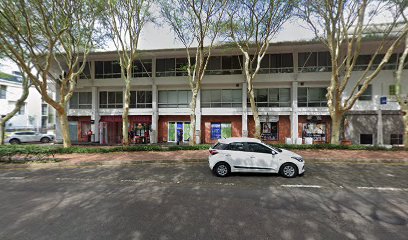
CALVIN AND FAMILY GROUP – UNIQUE COMMUNICATIONS is a Closed circuit television establishment in uMhlanga, KwaZulu-Natal, South Africa
CALVIN AND FAMILY GROUP – UNIQUE COMMUNICATIONS: CCTV Services Summary
CALVIN AND FAMILY GROUP – UNIQUE COMMUNICATIONS operates within the security sector, offering a portfolio of services that align with safety‑first principles. Based in the Durban North area of KwaZulu-Natal, with a listed address at 34 Ashley Avenue, Glen Ashley, the organisation presents itself as part of a broader group that emphasises construction, logistics, and security disciplines. Within the scope of Closed Circuit Television (CCTV) activities, the company sits under the broader Security Management category, indicating a commitment to protective technologies and proactive surveillance solutions as part of its service mix.
From the available information, the core offering related to CCTV sits alongside other security services. The firm describes its overarching mission as delivering superior service, prioritising safety, creating opportunities for its people, and executing exceptional work. While specific CCTV system brands, models, installation methods, or maintenance schedules are not itemised in the public content provided, the emphasis on security management suggests capabilities in planning, deploying, and supporting security systems as part of a holistic approach to premises protection.
The organisation presents a comprehensive set of divisions and services that reflect a multi‑disciplinary business. Though the primary focus in the CCTV category is not exhaustively detailed, the security facet is described as a core capability, likely encompassing consultation, installation, monitoring, and potentially aftercare for security solutions. Visitor insights indicate a business that communicates a wide service ethic rather than a narrow product focus, which may benefit clients seeking integrated security or coordinated risk management alongside CCTV installation.
Typical projects or job types that may align with CCTV and security management include evaluating site security requirements, designing surveillance layouts, installing camera networks, integrating with access control or alarm systems, and providing ongoing maintenance or monitoring service where applicable. Given the expressed commitment to safety and service excellence, projects are likely to be oriented toward commercial, industrial, or facilities contexts where reliable surveillance, deterrence, and rapid incident response are valued.
How requests usually work, based on industry norms and the presented information, can be inferred as a process that begins with an assessment of client needs and site conditions, followed by recommendations on security and surveillance options. Engagement tends to rely on clear communication about the scope, timelines, and any regulatory or operational considerations. Since specific booking or enquiry procedures are not detailed in the public content provided, prospective clients should anticipate a standard enquiry route via the company’s contact channels and a subsequent consultation to tailor a CCTV or security solution to the site.
Practical tips for customers considering CCTV and security services from CALVIN AND FAMILY GROUP – UNIQUE COMMUNICATIONS include:
- Define objectives clearly in advance: deterrence, evidence collection, remote monitoring, or integration with other security systems.
- Prepare site details: area size, access points, lighting conditions, and existing security infrastructure to guide a coherent recommendation.
- Consider scalability: plan for future expansion of camera networks and integration with alarm or access control systems.
- Ask about maintenance and support: inquire about service levels, response times, and remote monitoring options if available.
- Check compliance: ensure any surveillance installation complies with local regulations and privacy considerations relevant to KwaZulu-Natal and South Africa.
Hours of operation are listed as Monday to Friday from 09:00 to 18:00, with Saturday hours from 11:00 to 17:00, and Sunday closed. This suggests a weekday‑focused service window with weekend access for viewings or consultations, which may suit commercial clients planning weekday site visits. The geographical focus is South Africa, with a specific emphasis on the Durban North and surrounding KwaZulu‑Natal area, including uMhlanga, where potential customers may seek local knowledge and on‑site support.
For those needing a holistic security partner, the combination of security management and various service divisions indicates a capability to support businesses in multiple sectors. While detailed technical specifications or brand affiliations are not disclosed in the public materials, the firm’s stated values—safety, superior service, and exceptional delivery—provide a framework for clients to weigh the benefits of engaging with a locally based, safety‑oriented security provider in the uMhlanga region.
uMhlanga
KwaZulu-Natal
4319
South Africa
Closed Circuit Television Services in uMhlanga, KwaZulu-Natal
In the coastal town of uMhlanga, KwaZulu-Natal, closed circuit television (CCTV) services play a key role in enhancing security for businesses, residential estates, retail precincts, and public areas. Providers in the area typically offer a range of surveillance solutions designed to deter crime, monitor activity, and support incident investigations. The emphasis in this region often aligns with conditions that include warm climates, humid coastal air, and a mixture of commercial and residential zoning, all of which influence equipment selection and installation approaches.
Generally, CCTV services cover system design, installation, maintenance, and monitoring. A typical offering includes high-definition cameras installed at strategic points to capture entrances, parking areas, perimeters, and common spaces. Installation may involve cabling or wireless transmission, enclosure protection against dust and humidity, and considerations for power supply alongside back-up options to ensure continuous operation during outages. Modern deployments frequently integrate remote access, enabling authorised stakeholders to view live footage or review recordings via secure connections from suitable devices. The aim is to deliver clear, reliable imagery that supports rapid response and evidentiary value when needed.
From a customer perspective, several practical considerations often shape CCTV choices in uMhlanga. Weather exposure is a primary factor; equipment is commonly rated for outdoor use and may feature weather-resistant housings and infrared capabilities for low-light conditions. Clarity and coverage are critical, with attention given to frame rates, resolution, and the ability to distinguish faces or license plates within applicable legal and privacy boundaries. System reliability tends to hinge on power resilience, with options such as uninterrupted power supplies and, where feasible, alternative energy solutions for periods of load shedding or grid instability.
Connectivity is another important aspect. In coastal and suburban settings, wired networks can provide stability, while wireless links may be employed where running cables is impractical or aesthetically undesirable. Data security practices are necessary to protect footage from unauthorised access, including encrypted transmission, secure storage locations, and defined access controls for personnel. Retention policies are typically implemented to balance evidentiary usefulness with privacy considerations and regulatory expectations, with organisations determining appropriate timescales for keeping recorded material.
Operational features commonly described in the region include scheduling, motion detection, and alerting capabilities. These elements help focus attention on unusual activity and reduce the volume of footage that needs review. In commercial zones such as shopping districts and hotels, multi-camera surveillance systems are often coordinated to provide situational awareness across larger areas, sometimes feeding into a central monitoring centre or a security team on-site. For properties with multiple courtyards or entrances, zoning and camera placement strategies are used to maximise coverage while minimising blind spots.
Potential customers should consider regulatory and ethical aspects when evaluating CCTV services. Local laws govern issues such as signage, data privacy, and the permissible use of surveillance imagery. Practical considerations also include the ease of system expansion, the availability of ongoing technical support, and the clarity of maintenance schedules to prevent degradation of image quality over time. Selecting a provider in uMhlanga involves weighing installation expertise, responsiveness to incidents, and the ability to tailor a system to the specific site characteristics and security objectives.
Overall, CCTV services in uMhlanga offer a balance of deterrence, real-time monitoring, and evidence-gathering capabilities appropriate for a resort-friendly coastal area and its surrounding business districts. When aligned with sensible privacy practices and robust technical design, these systems contribute to safer environments while supporting legitimate security needs for residents, employees, and visitors alike.
Sorry, no records were found. Please adjust your search criteria and try again.
Sorry, unable to load the Maps API.