Astrosec Off Site Event Monitoring is a Security service establishment in Cape Town, Western Cape, South Africa
Astrosec Off Site Event Monitoring: Security Services Overview (Cape Town, Western Cape)
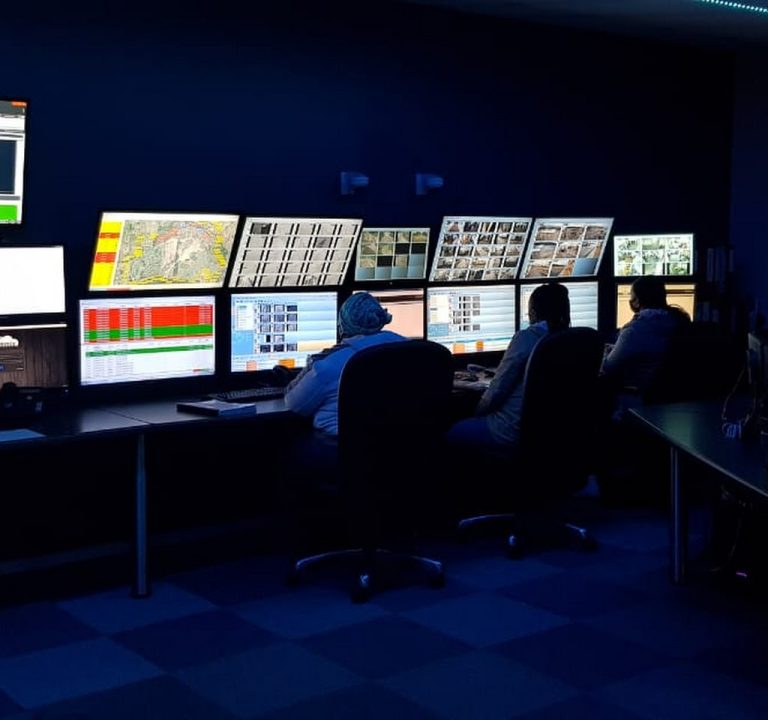
Astrosec operates as a bespoke security service provider centred on advanced, off-site monitoring and specialised security solutions. Based in Cape Town, the firm positions itself as a leader in “black screen” off-site event monitoring and in a suite of specialised security services designed to augment and safeguard existing security strategies. The company emphasises the use of cutting-edge technology combined with a dedicated, trained team to deliver real-time verification, analysis and response to security incidents.
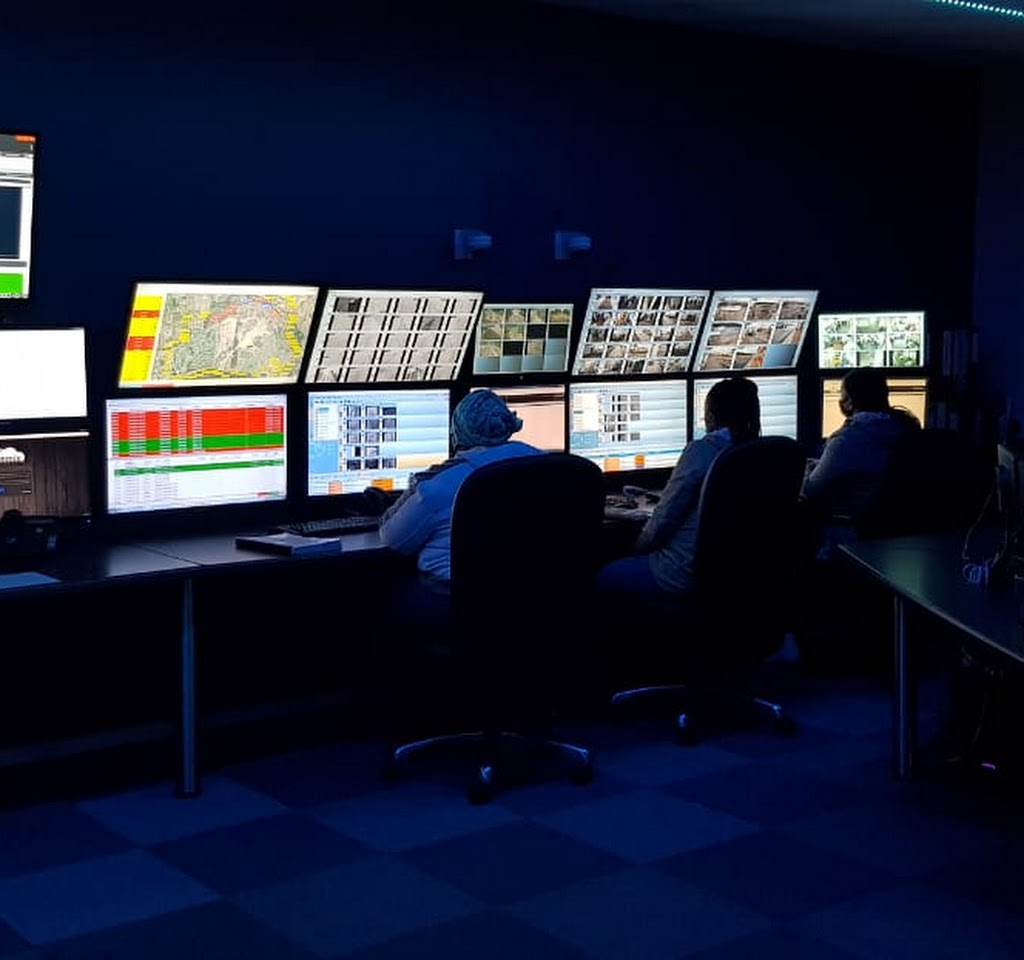
The core offering groups under four main service lines. The first is Remote Monitoring, where alarm signals from CCTV, electric fences and related equipment are streamed to a 24-hour control centre. Here, trained control operators verify and analyse events, then respond to emergencies in real time. This model highlights a live, round-the-clock approach to security management, with the aim of reducing reaction times and improving outcomes through immediate, professional intervention.
Secondly, Astrosec provides Risk Management & Consulting. Expert security consultants assess client needs, guide risk assessments and help determine the most appropriate security coverage. The approach emphasises informed decision-making, supported by turnkey solutions that address the specific risk profile of each client. By aligning risk insight with practical implementation, the service aims to balance protection with operational practicality.
The third area, Security, Quality & Compliance Management, focuses on independent guard monitoring and governance. Services include unannounced after-hours inspections, panic button monitoring and management, and patrol system monitoring. A distinctive feature is the provision of detailed monthly reports that keep clients fully informed about the quality and effectiveness of the physical security services they are paying for. This framework seeks to deliver transparency and assurance through measurable performance indicators and documentation.
Astrosec’s Specialised Security Services extend capabilities with state-of-the-art technology such as Licence Plate Recognition (LPR) systems. These tools are designed to instantly inform relevant stakeholders about suspect vehicles entering or moving near premises or vulnerable locations. The company also offers covert camera solutions, providing discreet surveillance options for sensitive or high-risk environments. Together, these services broaden the security reach beyond traditional monitoring to proactive, intelligence-led protection.
In its presentation, Astrosec frames its value through a “System of Systems” approach, integrating multiple monitoring sources into a cohesive platform. The Events Based Monitoring Platform consolidates activity from a variety of inputs, including physical alarms, standard house alarms, intelligent video analytics, electrified fences, and GPS devices. This holistic perspective aims to deliver a unified security picture, where events are managed in real time by a dedicated team and supported by personal access to the monitoring system via smartphones or desktop applications.
From an operational standpoint, the organisation highlights several service advantages. Live 24/7 monitoring by trained emergency management personnel is emphasised, along with the ability to provide immediate reaction rather than delayed responses. The customer experience is supported by user-friendly access to the monitoring platform and a dedicated help desk designed to offer personalised assistance after an incident. The proposition is to blend rapid incident handling with strategic security guidance, enabling organisations to act swiftly while retaining a long-term security posture.
Typical job types and industries served, inferred from the service descriptions, include events requiring off-site monitoring, risk assessments for facilities, and environments where perimeter protection and vehicle intelligence are pertinent. While specific sectors are not exhaustively listed, the emphasis on event monitoring, vehicle identification and covert surveillance suggests applicability to venues, corporate premises, critical infrastructure, and multi-site operations within Cape Town and the Western Cape region.
Practical tips for customers considering Astrosec include clarifying the scope of Remote Monitoring coverage for particular sites and confirming the integration capabilities with existing CCTV, fencing and access control systems. Asking for the frequency and format of monthly performance reports can help ensure transparency and measurable outcomes. For those evaluating risk management, it is prudent to discuss tailored risk assessments, SLA and KPI frameworks, and how monitoring metrics translate into actionable security improvements. When contemplating specialised services like LPR or covert cameras, considerations around privacy, legal compliance and on-site deployment should be addressed up front.
Business hours and on-site accessibility are not explicitly stated in available materials. The focus remains on the 24/7 nature of remote monitoring and the continuous operation of the control centre, which implies a capability to provide around-the-clock supervision. The company’s Cape Town base and stated Western Cape service area indicate the primary geographic coverage and support region for clients seeking off-site monitoring and security management within South Africa.
Cape Town
Western Cape
7580
South Africa
Security Services in Cape Town, Western Cape: What Clients Can Expect
In Cape Town, security service offerings span a broad spectrum designed to address urban, coastal, and suburban environments within the Western Cape. Clients ranging from residential estates and small businesses to large corporate sites frequently assess service packages that blend physical guarding with technical solutions. The aim is to deter, detect, and respond to potential threats while maintaining a calm and compliant security posture suitable for the city’s unique mix of neighbourhoods, tourist corridors, and commercial districts.
Unarmed and armed guarding remains a core component of the market. Trained security officers patrol perimeters, access points, and high-traffic areas to deter wrongdoing, observe daily activity, and provide rapid on-site response to incidents. Where appropriate, walking, vehicle, or roving patrols can be coordinated with fixed posts, ensuring visible coverage across premises such as office parks, shopping centres, and residential schemes. Officers typically receive ongoing training in conflict management, crowd control, emergency procedures, and incident reporting to ensure professionalism and consistency in service delivery.
Electronic security solutions complement physical presence and are commonly deployed to extend protection. Alarm systems linked to monitored control rooms provide rapid alerts in the event of a breach, allowing security teams to verify incidents before notifying authorities. CCTV installations, with remote monitoring and high-resolution coverage, aid investigations and act as a deterrent by enabling real-time oversight of entrances, exits, loading bays, and critical access routes. Access control measures—such as vetted entry systems, turnstiles, and visitor management—help manage who may enter restricted areas, reducing the risk of tailgating or unauthorised access.
In many Cape Town settings, security service providers offer integrated packages that combine guarding with technology and property maintenance. This may include incident reporting, loss prevention strategies, and routine risk assessments aimed at identifying vulnerabilities and prioritising mitigations. For clients with seasonal fluctuations in risk or activity, flexible arrangements and scalable staffing enable appropriate coverage during peak periods, events, or heightened security concerns.
Response capabilities are a key consideration. When a security concern is detected, on-site officers coordinate with a central dispatch team to assess urgency, initiate appropriate protocols, and, when necessary, liaise with local law enforcement or security clusters. Timeliness and discretion are valued attributes, with emphasis placed on clear communication, accurate incident documentation, and follow-up actions such as remedial measures or enhanced security measures after an event or incident.
Operational practicality also concerns the local environment. Cape Town’s geography—ranging from coastal boulevards to hillside suburbs—demands adaptable patrol routes, weather-conscious scheduling, and community awareness. Security providers may tailor services to sensitive sites such as heritage areas, waterfront developments, or busy retail precincts where pedestrian traffic and vehicle flow require careful coordination. Considerations around client access, parking, and shared facilities are routinely addressed within service agreements to minimise disruption while maintaining effective protection.
Regulatory and ethical aspects are integral to trustworthy service provision. In South Africa, security personnel typically operate under licensing and standards established by regulatory bodies governing private security. Compliance with data protection requirements and provincial guidelines supports responsible information handling and respectful engagement with the public and clientele. Prospective clients are encouraged to review a provider’s credentials, training frameworks, and incident management processes to ensure alignment with organisational needs and local expectations.
Ultimately, security services in Cape Town aim to deliver a practical, customisable balance of deterrence, surveillance, and rapid response. By combining visible presence with technology-enabled monitoring and well-structured procedures, clients can achieve a heightened sense of safety tailored to the city’s diverse environments and evolving security landscape.
Sorry, no records were found. Please adjust your search criteria and try again.
Sorry, unable to load the Maps API.