Power Options for CCTV Surveillance Systems
AC Power Basics for CCTV Cameras
A recent industry survey shows 40% of security cameras go offline during power outages, a stark reminder that reliable power is the quiet backbone of protection. In South Africa, load shedding hits homes and farms hardest.
AC power basics for CCTV cameras hinge on steady voltage. Typical setups use wall adapters, with backup options to bridge outages and dips.
When choosing a power strategy, consider weather, wiring, and distance from the main panel. A well-chosen cctv camera power supply harmonizes energy, endurance, and ease of maintenance. Options include:
- AC mains adapters for standard cameras
- Power over Ethernet (PoE) for compatible cameras
- Solar with battery storage for remote sites
From town shops to rural homesteads, experience shows how reliable power turns cameras from ornaments into steadfast watchers. The right cctv camera power supply keeps frames alive through long nights and busy days.
DC Power vs PoE: Which Is Best for Your Setup
Power is the quiet sentinel of surveillance, a truth hammered by night and storm. In the duel between DC Power vs PoE, your setup becomes a decision that outlives the weekend blackout. DC power stays stubbornly simple—close, local, reliable where mains hold. PoE weaves power and data along a single cable, generous with installers but capricious if the network falters. I’ve watched cameras blink into silence when circuits sigh.
From town to veld, the balance shifts with climate, distance, and maintenance. Where load shedding roams, solar with battery storage can keep cameras in breathless watch. The cctv camera power supply must endure both weather and time.
- Distance and cable losses
- Network reliability and PoE switch health
- Back-up strategy: battery, solar, or UPS
Power Over Ethernet (PoE) Considerations
In South Africa’s outages aren’t hypothetical—they’re a clock you learn to read. Load shedding punctuates nearly half the year at many sites, and that reality shapes every CCTV installation. The choice of cctv camera power supply isn’t cosmetic; it filters every night’s silence.
Power over Ethernet threads power and data along a single cable, offering speed and simplicity. But distance and cable losses, network reliability, and switch health press for clarity.
- Distance and cable losses creep into performance with longer runs.
- Network reliability and PoE switch health determine uptime together.
- Back-up strategy: battery, solar, or UPS shapes resilience when the mains falters.
Where climate and maintenance carve the landscape, the balance shifts. In remote areas or during outages, solar with storage can keep eyes watching through the night. The power infrastructure must endure weather and time.
A quiet moral lands here: surveillance is less about hardware and more about trust.
Battery Backup and Redundancy Solutions
Power options for CCTV surveillance systems matter as much as the lens you trust. In South Africa, outages aren’t a scare story—they’re a clock you learn to read. I’ve seen cameras stay watching through a blackout, powered by a thoughtful cctv camera power supply that respects the night and the dawn.
- Battery backup with UPS or external packs
- Redundancy via dual feeds or generator standby
- Solar with storage for remote sites
Behind the scenes, climate and maintenance carve the best path. A dependable system reduces alarms and preserves trust for families, farmers, and small businesses who rely on steady eyes at night.
Calculating Power Requirements for CCTV Cameras
Determining Voltage and Current Requirements
Voltage is the lifeblood of your surveillance setup—misjudge it and those 4K faces blur into abstract art. “Voltage is not optional,” as a veteran technician likes to say. When calculating power requirements for CCTV cameras, start by listing each camera’s wattage and the total current your panel must deliver. The right cctv camera power supply design keeps streams steady from Cape Town to Pretoria, even during load shedding, and prevents flicker that turns security into a meme.
- Record each camera’s wattage from the label or spec.
- Sum currents and add a 20–25% safety margin.
- Account for distance and cable gauge to limit voltage drop.
With numbers in hand, pick a supply that matches voltage and total current, leaving room for future expansion and SA’s on-and-off grid quirks.
Accounting for Cameras, NVRs, and Accessories
Power outages are a fact of life in South Africa; a stable cctv camera power supply keeps feeds flowing when the grid flickers. Power planning for a CCTV setup is a balancing act: each camera, the NVR, and any accessories pull current, and longer cable runs demand more attention to losses.
In practice, engineers translate the load into a single figure, apply a safety buffer, and choose a supply that leaves room for growth.
The result is a resilient system that remains steady from suburb to township, preserving clarity even when the lights dip. This is the heart of a reliable power supply strategy.
Cable Lengths and Voltage Drop
Power sag is the shadow that dances along a security corridor. In South Africa, a stable cctv camera power supply keeps feeds lucid when the grid trembles. Calculating power needs for camera clusters, we know long cable runs invite voltage drop that dulls frames; the challenge is translating a chorus of sensors into a single, forgiving design that breathes with growth.
- Run length and distribution
- Cable gauge and insulation quality
- Total load from cameras, NVRs, and accessories
Consider what travels along the wires: current, resistance, and the reality that distance magnifies loss. All of these shape the power supply, guiding resilience without excess. I’ve seen circuits breathe easier when the numbers fit the site!
Selecting Power Supply Ratings and Headroom
Power resilience is a poet’s craft in the wire: a single surge can steal a scene, but a steady heart keeps every frame lucid. A seasoned technician once whispered, “The grid trembles, yet our lines hold the truth.” That tension informs every calculation behind a CCTV system.
Calculating power requirements begins with three threads that shape the design:

- Distance and distribution of feeds, recognizing how long runs magnify loss.
- Cable size and insulation quality; tougher climates demand sturdier shielding.
- Overall demand from cameras, NVRs, and accessories; include future devices and upgrades.
From these numbers, headroom becomes the quiet courage of the design: a margin for voltage swing, transient dips, and growth horizon. The cctv camera power supply you choose should breathe with your site, combining reliability with elegance!
Choosing and Sourcing CCTV Power Supply Components
Power Adapters, PoE Injectors, and Switches
Power is the unseen backbone of every reliable CCTV setup, and as a South African farmer once told me, ‘the eye only sees if the power keeps its pulse.’ I’ve learned to let that truth shape how I talk about cctv camera power supply choices—balancing rugged durability with quiet, steady performance that stands up to storms and dust.
Choosing and sourcing components like power adapters, PoE injectors, and switches means weighing compatibility, safety, and longevity. When you shop, look for items that weather the environment and work well with your cameras and recording setups.
- Compatibility with cameras and switch types
- Safety certifications and rugged build
- Weatherproof housing and reliable cabling
- Warranty, spare parts, and responsive supplier support
From local SA suppliers to trusted brands, the right partner reduces downtime and keeps a quiet vigil over homesteads and outposts.
DC Regulators, Voltage Stabilizers, and Regulators
Choosing and sourcing DC regulators, voltage stabilizers, and related components for a cctv camera power supply means looking beyond price. Priorities include compatibility with your camera’s rated voltage, thermal performance under South Africa’s heat, and a quiet, steady output that survives dust and rain. Seek units with tight regulation, low ripple, and rugged enclosures that shrug off vibration and field conditions. When regulators behave, cameras stay locked on target, delivering reliable footage through the longest nights.
- Local stock, spare parts, and straightforward warranty in SA
- Safety certifications and rugged, IP-rated enclosures
- Responsive supplier support and transparent lead times
From farms to remote outposts, a dependable supply chain ensures the backbone stays steady when storms roll in.
Uninterruptible Power Supplies (UPS) for Surveillance
“Power is the quiet guardian of footage,” a security director once observed. The cctv camera power supply, joined to a rugged UPS for surveillance, keeps critical views alive when outages strike. In South Africa’s heat and dust, a steady, well-matched UPS matters more than flash, preserving voltage, reducing ripple, and defending sensors through long nights and sudden storms.
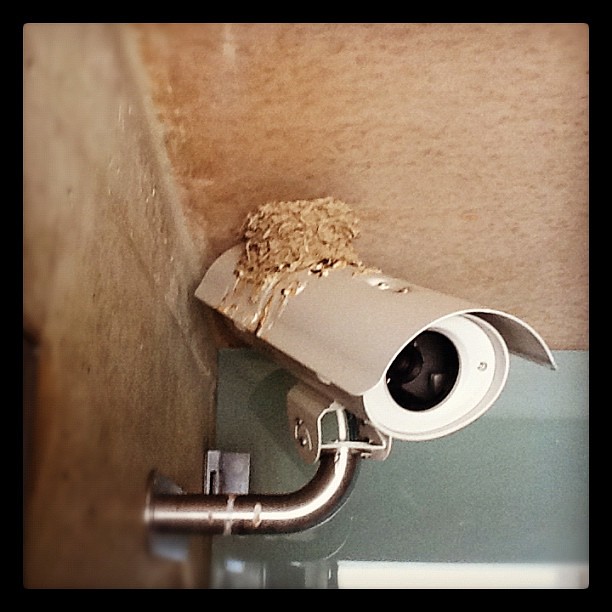
Selecting a UPS for Surveillance means balancing load, endurance, and service. Consider these facets:
- Battery chemistry and cycle life
- System efficiency and thermal behavior
- SA-based support and warranty coverage
Across farms and remote posts, the cctv camera power supply—paired with dependable UPS—keeps footage flowing even when the grid falters.
Surge Protection, Fuses, and Circuit Breakers
Power sits at the edge of a blade: quiet, essential, and easily undone by a spike or a dust storm. In South Africa, outages and fierce sun are the elements a guard must outrun. The cctv camera power supply, paired with a steadfast UPS, acts as a quiet sentinel—preserving frame after frame when darkness falls and the grid falters. It keeps the night watch intact, turning chaos into continuity.
Choosing and sourcing components for the CCTV power chain is a quest of protection, reliability, and service. The triad—Surge Protection, Fuses, and Circuit Breakers—serves as the armor against stray pulses, overcurrent, and hidden faults.
- Surge protection devices rated for DC output and local storms
- Fuses sized to match camera and accessory loads
- DC circuit breakers for quick, safe isolation during maintenance
Local SA-based support and warranty coverage sweeten the pact, ensuring the power system remains a steadfast ally.
Weatherproof Power Enclosures and Outdoor Cabling
“Power is the quiet backbone of security,” and in South Africa it must endure heat, dust, and the occasional outage. Choosing and sourcing components for the CCTV power chain isn’t marketing fluff; it’s about fortress-like reliability. The cctv camera power supply, paired with weatherproof enclosures and rugged outdoor cabling, keeps frames intact when the grid falters.
Weatherproof enclosures shield electronics from sun and dust. Seek IP-rated housings with gasket integrity and UV-stable materials that won’t warp in heat. Outdoor cabling should feature robust insulation, moisture barriers, and corrosion-resistant conductors for SA’s searing climate.
Local support and warranty coverage in South Africa sweeten the pact, ensuring the power chain remains a steadfast ally as conditions shift and storms roll in.
- IP rating and ingress protection
- UV-stable materials and gasket integrity
- Gland options, strain relief, and outdoor cabling choices
Installation Guides and Best Practices
Wiring Schemes for Indoor and Outdoor Setups
Across South Africa’s twilighted avenues, a dependable power source anchors every frame.
Installation guides for wiring schemes honor indoor calm and outdoor grit, weaving serenity through conduit and cable. The most legible diagrams prefer neat runs, a measured separation of power and data, and weatherproof housings where sun, rain, and thunder meet.
- Indoor: discrete runs, concealment behind fixtures, and quiet coexistence with lighting
- Outdoor: conduit protection, UV-rated cable, and seals that shrug off SA’s dust and monsoon winds
- Testing: noninvasive verification of continuity and insulation, with a gentle eye toward gradual voltage drift
From the edge of town to enterprise campuses, this approach becomes a quiet guardian, preserving footage and trust through SA’s varied skies. A harmonious layout also adapts to upgrades and changes in equipment, keeping the cctv camera power supply efficient and unobtrusive.
Grounding, Bonding, and Surge Protection
“Grounding is the invisible shield,” says a veteran technician. In SA’s weather-worn streets, a robust cctv camera power supply relies on solid grounding, bonding, and surge protection to keep footage intact when storms roll in. This trio forms a quiet, resilient backbone for trusted surveillance.
Grounding anchors the system to earth, reducing stray voltages and protecting electronics; bonding ties all metalwork—enclosures, mounts, and conduits—into a single reference; surge protection dampens spikes before they reach the cctv camera power supply.
These principles help installs endure dust, heat, and wind, preserving crisp frames.
- Grounding paths designed for low impedance and consistent earth reference
- Bonding of enclosures, connectors, and metalwork to prevent stray current
- Surge-protective devices coordinated with system voltage and data paths
Cable Management and Aesthetics
A sudden storm can turn a crisp night into a grainy memory. ‘Quality is invisible until it fails,’ a veteran technician reminds me. In South Africa’s weather-worn streets, the cctv camera power supply isn’t flashy—it’s a quiet guardian, kept sharp by thoughtful cable management and restrained aesthetics.
Installation guides treat routes as DNA: clean, protected, layered to minimize interference. Visual rhythm matters: conduits aligned with architecture, shielded terminations, and a layout that keeps the data path calm.
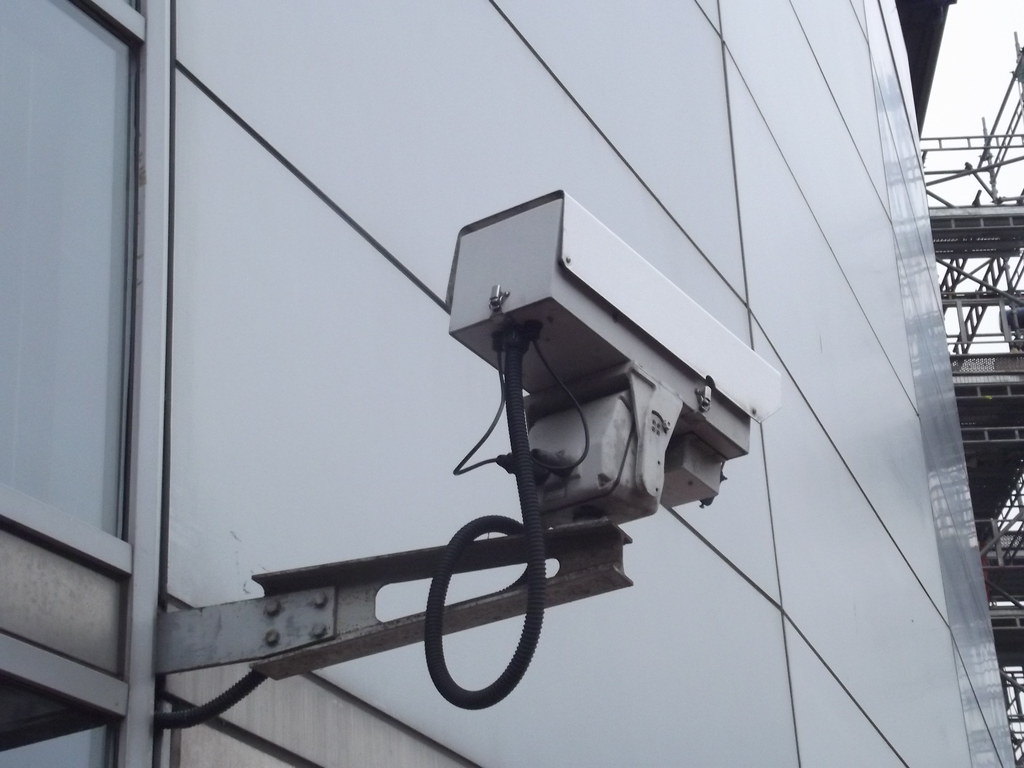
- Visual integration with surroundings to avoid drawing attention
- Weatherproof routing using sealed conduits and grommets
- Color coding and labeling for quick fault tracing
Ultimately, aesthetics are a reliability cue—form and function aligned so footage speaks clearly when it matters. When the cctv camera power supply is neatly enclosed, surveillance feels confident rather than improvised.
