
Trellidor Hermanus is a Security service establishment in Hermanus, Western Cape, South Africa
Hermanus
Western Cape
Hermanus
South Africa
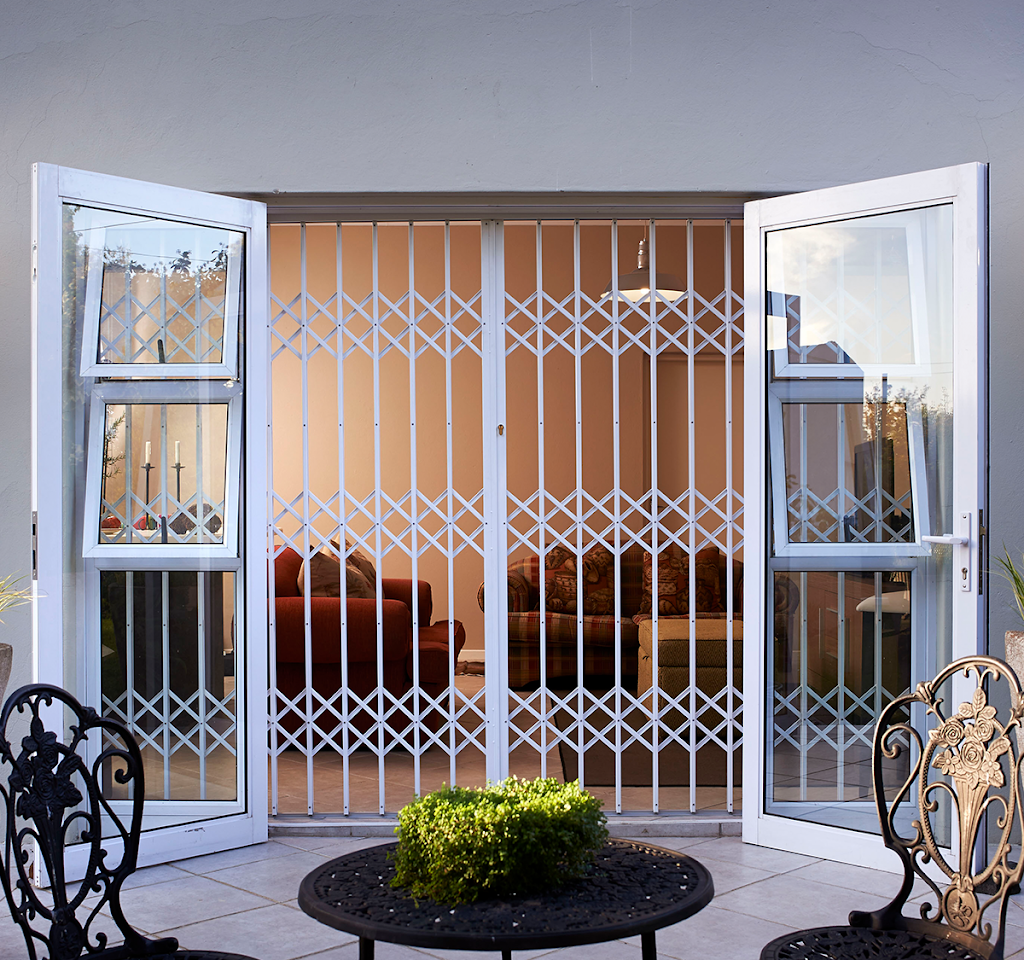
CCTV Installation and Security Solutions in Hermanus, Western Cape
Independent security installers in Hermanus offer a comprehensive range of surveillance and access control services designed to protect homes, small businesses and organisations in the Western Cape. The typical approach combines camera systems, recording and storage, access control, alarm integration, and user-friendly remote monitoring to deliver real-time protection and post-incident evidence. The local landscape often requires solutions that cope with coastal temperate climates, fluctuating power supply, and the need for discreet yet effective security infrastructure.
Clients can expect a thorough site assessment that considers property layout, entry points, line-of-sight, lighting conditions, and potential blind spots. A professional will plan camera coverage to balance deterrence with privacy and to ensure redundancy for critical access points. Placement decisions may involve weather-resistant housings for outdoor cameras, appropriate mounting heights, and cable routing that minimises visibility while reducing tampering risks. Night-time performance is addressed through lighting considerations, infrared or starlight capabilities, and appropriate exposure settings to capture usable footage in low light.
Systems commonly fall into two broad categories: IP cameras and analogue (HD) CCTV. IP cameras digitise video at the source and can offer high resolution, advanced analytics, and straightforward network integration. Analogue systems, while typically more budget-friendly upfront, still deliver reliable HD performance and can be suitable where bandwidth or network constraints exist. For many sites in Hermanus, a hybrid approach provides a practical balance, enabling existing analogue channels to be upgraded progressively alongside new IP devices.
Typical camera types include:
- Dome cameras, valued for their compact appearance and vandal resistance, often used indoors or in protected outdoor areas.
- Bullet cameras, versatile for longer-range views and external mounting.
- PTZ (pan-tilt-zoom) cameras, useful for active monitoring and sweeping wide areas where live oversight is required.
Night vision and lighting are critical considerations. Cameras may rely on built-in infrared illumination or utilise external lighting to improve visibility. In residential settings, lighting strategies can deter intruders while ensuring footage remains clear and identifiable. Where privacy laws apply, signage and defined zones help clarify monitoring boundaries and data handling practices.
Recording and storage arrangements vary by system. IP installations typically use network video recorders (NVRs) or cloud-based options, with storage capacity determined by retained dates, resolution, and frame rate. Analogue systems use digital video recorders (DVRs). Remote viewing is a common feature, enabling authorised access via smartphones, tablets, or desktops, while maintaining strong authentication and encryption to safeguard streams and footage.
Access control and alarm integration extend the protective envelope beyond cameras. Mechanical or electronic door locks, intercoms, and visitor management can be combined with security alarms and intrusion sensors to trigger coordinated responses. Intercoms facilitate secure, two-way communication at entry points, while alarm integration helps ensure rapid notification to property managers or authorities in the event of a breach. In coastal environments, weatherproof interfaces and durable cabling are important for longevity.
Maintenance and ongoing support are essential components of a robust installation. Regular checks cover camera alignment, lens cleanliness, firmware updates, and power supply integrity. Troubleshooting typically addresses connectivity, recording gaps, and accessibility of remote viewing. Upgrades might include additional cameras, higher-resolution offerings, expanded storage, or expanded access control capabilities as security needs evolve.
Key practical considerations when planning a project include network requirements, bandwidth planning for multiple cameras, and ensuring compliant privacy practices. System designs should anticipate future growth, maintenance windows, and the potential need for scalable storage solutions. Procurement decisions commonly weigh the advantages of a local installer’s knowledge of the Hermanus environment, coastal weather exposure, and service responsiveness against broader national or online options.
Overall, clients in Hermanus can expect a measured, standards-aware approach that emphasises site-specific assessment, reliable hardware selection, secure network design, and a clear plan for installation, commissioning, and ongoing support. The goal is to deliver a system that is easy to operate, provides meaningful evidence when required, and integrates smoothly with existing security layers for a cohesive protection strategy.
Sorry, no records were found. Please adjust your search criteria and try again.
Sorry, unable to load the Maps API.